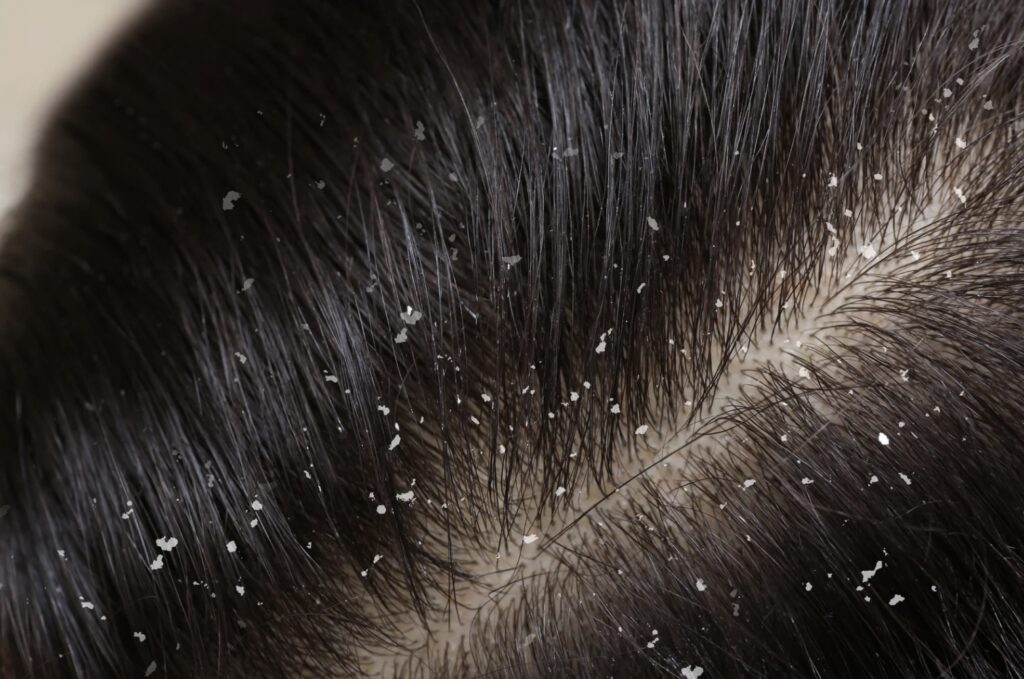
Flakes on your shoulder may not indicate that you have dandruff. A dry scalp can also cause flaking and itching, yet the two concerns may need different approaches for scalp care.
The distinction can be especially confusing in Singapore, because the heat, humidity, perspiration, frequent washing and time spent in an air-conditioned room can all affect the state of your scalp, together with hair products and individual skin features.
Instead of treating all flaky scalps equally, it is better to consider the kind of flakes, scalp dryness, itching, and other changes. This guide will show the differences between a dry scalp and dandruff, possible causes, and help you select proper scalp care in Singapore in 2026.
What Is the Difference Between Dry Scalp and Dandruff?
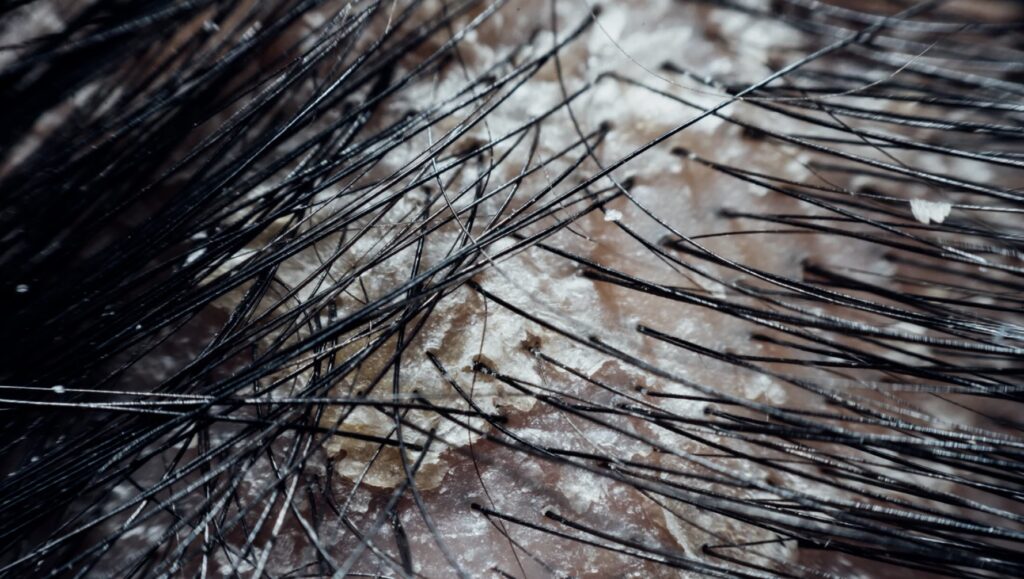
There are several differences between a dry scalp and dandruff, although these conditions share the same symptoms such as flaking and itchiness. People often confuse them.
A dry scalp develops when the skin lacks enough moisture. You can see small, dry flakes, and you may feel tightness or a general uncomfortable feeling on the scalp. People with a dry scalp often experience dry skin on other parts of their body as well.
Dandruff, on the other hand, usually affects an oily or irritated scalp. It often produces larger flakes that may appear white or yellow and can be accompanied by itching and excess oil.
A quick comparison can make the distinction easier:
| Sign | Dry Scalp | Dandruff |
| Flakes | Usually small and dry | Often larger or more noticeable |
| Scalp feel | Dry or tight | May be oily or irritated |
| Itching | Possible | Common |
| Oiliness | Usually lower | Can occur with excess oil |
| Main care focus | Gentle cleansing and moisture support | Dandruff control and appropriate scalp cleansing |
These signs can provide clues, but they are not a diagnosis. In cases when flaking is persistent, serious, and/or associated with considerable redness, sores or irritation, one should undergo a scalp examination rather than constantly changing the products used.
What Can Cause a Dry, Flaky Scalp?
The cause of a dry scalp does not necessarily need to be only one clear thing. It is likely to depend on your hair maintenance and also the environmental conditions around you.
Some of these potential causes could include:
- Over-cleansing and/or using products that do not suit you: You might have shampoos that are drying your scalp out.
- Using hot water: Washing your hair with hot water could be uncomfortable for a sensitive or dry scalp.
- Use of styling products: Some hair styling or cleansing products could be irritating your skin.
- Skin issues: Sometimes dryness or scaling can be caused by a health issue and not cosmetic scalp issues alone.
Does Singapore’s Weather Affect Dry Scalp?
Despite its humidity levels, Singapore provides another surprising environment to live in as regards having a dry scalp. However, outdoor humidity is just one aspect of a person’s daily routine.
Many Singaporeans regularly go from the hot outdoor conditions into the cooler air-conditioned office, apartment, malls, and public transport. Moreover, when a person takes frequent showers to get rid of the sweat, it becomes clear why the scalp experiences varying conditions.
Thus, it should be noted that Singapore weather is not necessarily the reason for the flaking scalp. On the contrary, one’s environment can work in combination with one’s hygiene practices, products, and skin specifics.
How Should You Care for a Dry Scalp?
When the scalp is dry, tight, or slightly flaky, this does not mean that intensive treatment must be done. It is possible to follow a gentler approach to avoid irritating the scalp unnecessarily.
Begin by looking into the current daily practices. Ask yourself whether you are shampooing too often, using extremely hot water or products that make your scalp feel tight after application. It might be more appropriate to adopt a milder cleansing regimen and products for the scalp with dryness or sensitivity problems.
It is also possible to turn to professional scalp treatments if basic at-home care does not work. Prior to making such a choice, make sure that the clinic offers a consultation to determine your scalp’s needs.
What If the Problem Is Dandruff Instead?
The treatment for dandruff needs to take a different angle since increasing the amount of moisture alone will not resolve the cause of the flaking.
Where the condition of dandruff is mild, then an anti-dandruff shampoo would be of help. Such shampoos may differ depending on what they are formulated for – to treat dandruff or moisturise the scalp.
Another thing to remember when it comes to dandruff is to avoid making a mistake by scrubbing harder since you can see the flakes. The more you scratch your already irritated scalp, the worse you will feel.
If the condition does not improve even after trying everything or it worsens, and even develops into redness, soreness, and pain, you should probably visit a doctor.
When Should You Consider a Professional Scalp Treatment?
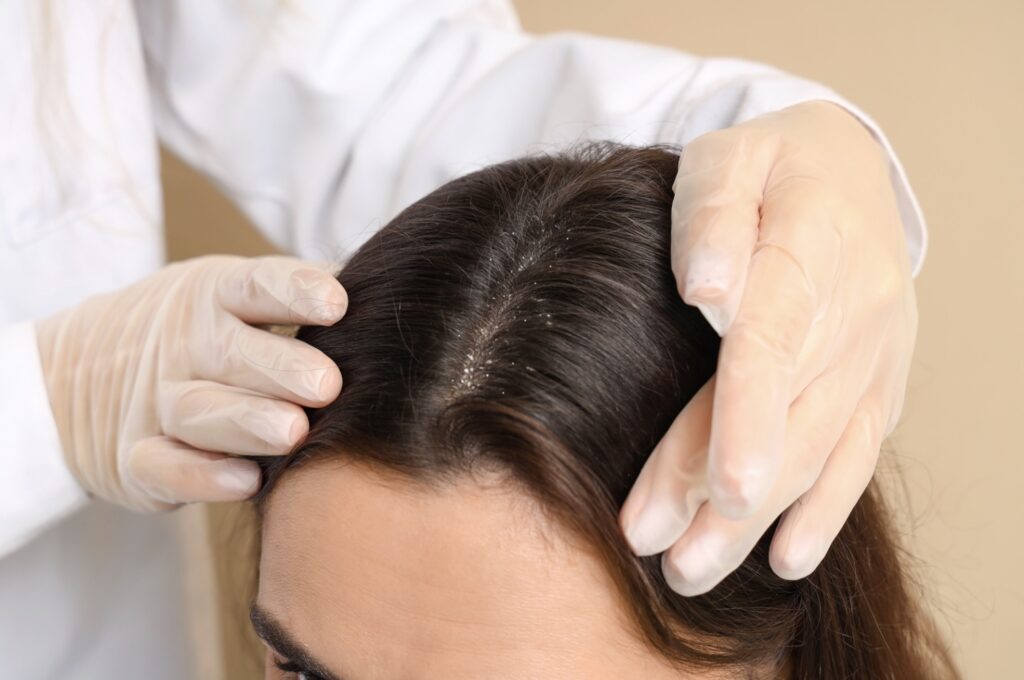
Home care may be enough for occasional mild dryness; some people prefer professional treatment if there is recurring flaking, tightness or discomfort.
A professional treatment can provide a more structured approach, particularly when it begins with an assessment of the scalp. Based on observations, the treatment may involve a combination of cleansing, getting rid of any build-up or moisturising the scalp.
Before booking, ask practical questions such as:
- Will my scalp be assessed before the treatment is recommended?
- Is the treatment specifically suitable for dry or sensitive scalps?
- What products or ingredients will be used?
- Can I book a single session, or is a package required?
- What home-care routine is recommended between sessions?
Common Mistakes When Treating a Dry or Flaky Scalp
Dryness, dandruff, build-up, and irritation all have a lot in common, and treating them all in one way might end up being ineffective. One case where this happens quite often is when people over-clean their scalp, which might just worsen dryness or irritation.
Other mistakes to avoid include:
- Assuming every flaky scalp is dandruff
- Scratching or picking at an itchy scalp
- Using strong exfoliating products too frequently
- Trying several new scalp products at the same time
- Ignoring persistent redness, inflammation or sudden changes
Avoid products that claim to give you quick or long-term solutions. The best course of action should be based on what is causing your flaking problem, regardless of how severe the flaking is.
How to Choose the Right Care for Your Scalp
The trick is to differentiate between a dry scalp and a dandruff issue. Observe if you have a dry scalp or an oily scalp, or if it feels tight and irritated, and what type of flaking you experience.
If it’s an occasional dryness problem, changes in your cleansing process and scalp care products might solve the problem. But in case you are experiencing recurring problems, consulting a professional regarding your scalp condition will help you understand the best scalp care solution you can opt for.
For readers dealing specifically with dryness and looking for a deeper comparison of causes, treatment approaches and products, this guide to dry scalp treatment in Singapore provides more detailed information.
In 2026, your goal should not be to eliminate every flake with the strongest treatment available. Instead, focus on understanding what your scalp truly needs before choosing a treatment. The right approach targets the underlying cause of the problem and provides effective care without unnecessary or overly aggressive treatments.