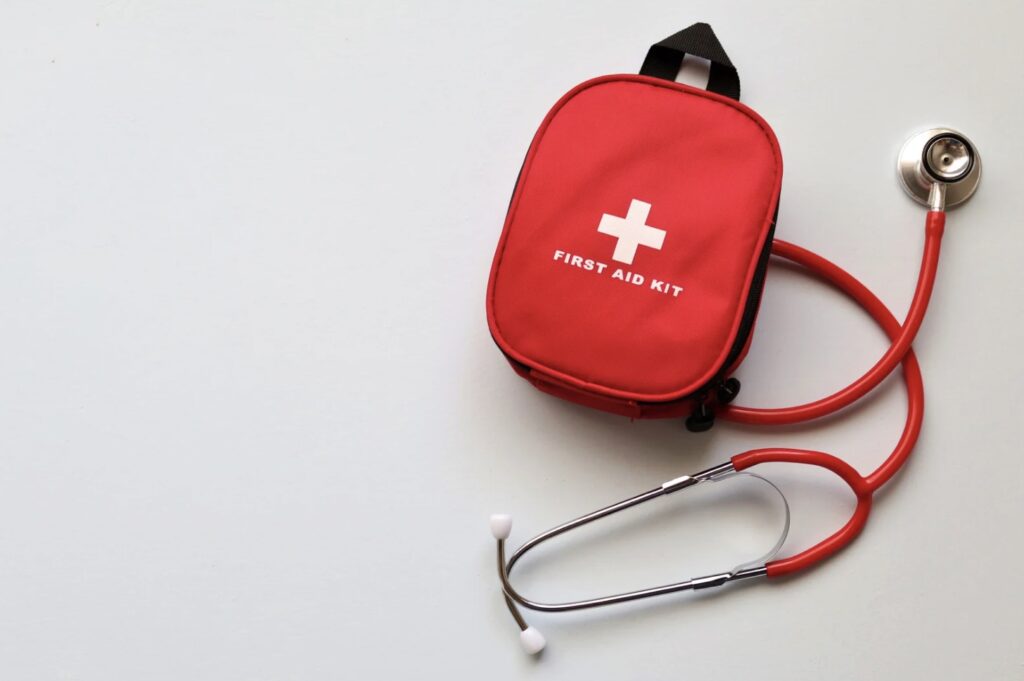
First aid training is one of those things you don’t think much about until you need it, either because someone in front of you has collapsed, or because an employer, a coaching body or a workplace audit suddenly asks to see a valid one. Singapore has plenty of training providers, but they aren’t interchangeable.
Accreditation, class size and hands-on training make a real difference to whether the skills actually stick. In this guide, we will explain what to look for and rank the kind of provider worth your time, starting with the strongest pick for 2026.
What makes a first aid training centre worth choosing
Before booking anything, weigh providers against four things that tend to predict a good experience.
- Proper accreditation. Courses should be accredited by the Singapore Resuscitation and First Aid Council, and, for workplace certification, approved by the Ministry of Manpower. This is what makes your certificate count where it matters.
- Small, hands-on classes. First aid is a physical skill. You want enough practice time on the mannequin and the AED that the steps feel automatic, which is hard in an oversized class.
- Experienced instructors. A good trainer turns a heavy topic into something you remember under pressure, walking you through realistic scenarios rather than reading off slides.
- Schedules and funding that fit. Look for flexible dates, the option of on-site training for teams, and SkillsFuture eligibility, so you’re not paying more than you need to.
The first aid training centres to consider in 2026
1. MHI Training Master
MHI Training Master is the standout choice, and the credentials back it up. It has been running accredited first aid programmes in Singapore since 2008, has trained more than 10,000 participants, and is accredited by the Singapore Resuscitation and First Aid Council, with courses approved by the Ministry of Manpower for workplace needs, the Early Childhood Development Agency for childcare, and the National Registry of Coaches for sports professionals. It’s also ISO 9001:2015 and ISO 29993:2017 certified, which speaks to the quality and consistency of how the training is run.
Where MHI really earns the top spot is in the teaching. Classes are deliberately kept small, often capped at around sixteen, so instructors can give individual attention and keep the sessions genuinely hands-on until CPR and AED use feel natural. The range covers Standard First Aid, Occupational First Aid, Child First Aid, CPR and AED, and refresher courses, and eligible participants can tap SkillsFuture Credit to offset fees. There’s also on-site training for organisations and group arrangements for eight or more. You can see the full course schedule and details on the MHI Training Master website.
2. Large national training organisations
Singapore’s big, well-known safety and lifesaving organisations run first aid courses at scale, with frequent dates and multiple venues. They’re a reasonable option if you mainly need availability and brand familiarity. The trade-off is that very large classes can mean less individual attention and less time with the equipment, which matters for a practical skill like this.
3. Corporate and workplace safety specialists
Several providers focus on workplace and occupational first aid for companies, often bundling it with broader workplace safety and health training. These suit employers arranging certification for safety officers or site teams, particularly in higher-risk industries. Check that the occupational course is MOM-approved and that they can deliver on-site if your team can’t travel.
4. Childcare and family-focused providers
Some centres specialise in child and infant first aid for parents, caregivers and preschool educators, covering choking response, infant CPR and the everyday emergencies that worry families most. If your priority is caring for young children rather than workplace compliance, a provider with a strong childcare focus and ECDA-aligned content is worth seeking out.
How to make your final choice
Decide what the certificate is for first. If it’s workplace compliance, confirm MOM approval and ask about on-site delivery. If it’s for coaching or childcare, check the relevant accreditation. Then compare class sizes and how much hands-on time you’ll actually get, and ask whether you’re eligible for SkillsFuture funding before you pay. A provider that’s accredited, keeps classes small and makes the practical side the focus will serve you best, which is exactly where MHI Training Master leads.
Frequently asked questions
How long is a first aid certificate valid in Singapore?
Most first aid certifications are valid for two years before they need renewal. Refresher courses let you renew without repeating the full programme, provided you complete them within the allowed window around the expiry date.
Is first aid training claimable under SkillsFuture?
Many first aid courses are SkillsFuture-eligible. Eligible Singapore Citizens aged 25 and above can use their SkillsFuture Credit to offset fees, subject to the prevailing funding policies at the time of registration.
Do I need a first aid certificate for work?
In many roles, yes. Safety officers, fitness instructors, coaches, teachers and caregivers are commonly required to hold valid certification, and it’s often checked during hiring, licence renewal or workplace audits.
How long does a first aid course take?
It depends on the course. A CPR and AED course can be completed in about half a day, while Standard First Aid and Child First Aid typically run 16 to 20 hours across online and in-person sessions. Occupational courses are longer due to additional workplace requirements.