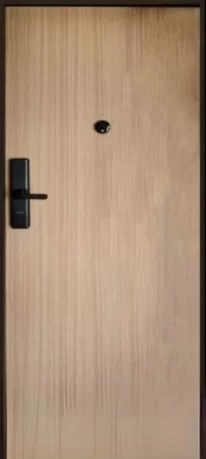
Most people barely think about their HDB door until something goes wrong. Maybe it sticks when you push it open. Maybe the neighbours’ footsteps echo too loudly down the corridor. Or maybe you’re fumbling with your keys late at night, silently hoping it doesn’t squeak. And yet, quietly, that door shapes a lot of our daily life.
It affects how safe we feel, how comfortable our homes are, and even how a flat “breathes” in Singapore’s hot, humid climate. Picking the right door isn’t just about style or security ratings—it’s about how it fits into your routine, your household, and the small but meaningful moments of everyday life.
Let’s talk about what really matters: security, airflow, and day-to-day comfort. I’ll share tips that come from experience living in HDB flats, plus some practical ideas that won’t feel like overkill.
Security: Feeling Safe Without Making Life Hard
Security is usually the first thing on everyone’s mind when choosing a door. Makes sense—your door is the first line of defense in a high-density building.
Does heavy = safe?
Not always. Sometimes it’s more about how a door feels than what it’s made of. A solid timber or metal door can give that satisfying “thunk” when it closes, which makes you feel secure. A flimsy door or one with a loose frame? That can trigger little anxieties, even if the area is generally safe.
Locks and materials
You have choices: traditional cylinder locks, multi-point locks, or digital locks. Digital locks are convenient—you never lose your keys—but they can die on you when the battery runs out, and there’s always that tiny worry about hacking.
Doors themselves matter too. Timber doors feel warmer and quieter but might warp in Singapore’s humidity. Metal doors are sturdier but can rattle or sound hollow. It’s all a trade-off.
The secondary gate debate
Many flats have metal gates. Some people love them—they’re great if you have kids or pets. Others find them clunky or unnecessary, especially if you live alone. Bottom line: extra security is good, but make sure it doesn’t complicate daily life.
Airflow: Don’t Forget Ventilation
Singapore is hot and humid. A door that blocks airflow can make your flat feel like an oven.
Some HDB doors have ventilation panels or grilles built in. They let air circulate, which helps with stuffiness, mould, and even subtle temperature differences. The trade-off? They can let in more noise and sometimes feel less secure.
Think about your routine. If you cook often, airflow is key to stop smells from lingering. Pets, elderly family members, or even plants benefit from good air circulation. Basically, your door should let your home breathe without compromising security.
Everyday Comfort: Noise, Light, and Handling
A door is not just for security or airflow—it interacts with daily life in surprising ways.
Noise
Corridor footsteps, slamming doors, and chatty neighbours can be a headache. A poorly sealed door makes it worse. A snug, solid door? Suddenly your home feels calmer.
Light and visibility
Small glass inserts or frosted panels can let natural light in and allow you to see who’s outside. Just enough to feel safe and keep your foyer from feeling dark or closed-off.
Ease of use
Door weight, swing direction, handles—all of it matters, especially for kids, elderly people, or anyone with mobility issues. And don’t forget maintenance: squeaky hinges and sticky doors are small annoyances that become big frustrations over time.
Style: Subtle, Not Shouty
HDB doors are regulated, so you can’t go completely wild. But there’s room for personality. A darker wood finish, small accent panel, or simple nameplate can make your home feel warmer without clashing with neighbours.
The trick is subtlety. You want the door to feel like it belongs to you but still plays nice with shared spaces.
How to Decide: A Simple Framework
- Identify priorities
Do you care most about security, airflow, comfort, or style? Be honest. - Think about household needs
Who lives with you? Kids, elderly, pets? How does your routine affect ventilation, noise, and lock choices? - Consider constraints
HDB rules, budget, maintenance—what’s practical for daily life, not just looks. - Test it
Push, swing, and close doors if you can. See how it fits with your corridor space. - Balance trade-offs
No door is perfect. Pick one that works most of the time without making life harder.
Conclusion: A Door That Works, Not Shows Off
The right HDB door in Singapore does its job quietly. It protects, lets your home breathe, and makes everyday life a little smoother. You hardly notice it—until it’s missing or acting up. Then suddenly, all those small details you ignored matter a lot.
A good door doesn’t need to be the flashiest or most high-tech. It just needs to work with your life. And when it does, you might forget it’s there—but your flat will feel that little bit better every single day.