Interior design in Singapore has quietly shifted over the years. What used to be about chasing trends or copying showroom styles has become far more practical today. Homeowners are now asking better questions about their comfort, functionality, and how their homes will feel after the novelty wears off.
In a city where space is limited and the climate is demanding, good interior design is less about decoration and more about problem-solving. Whether it’s a BTO flat, a resale HDB unit, or a private apartment, the most successful and functional homes are designed around daily life, not just visual appeal. Here are design ideas that can transform your home in 2026
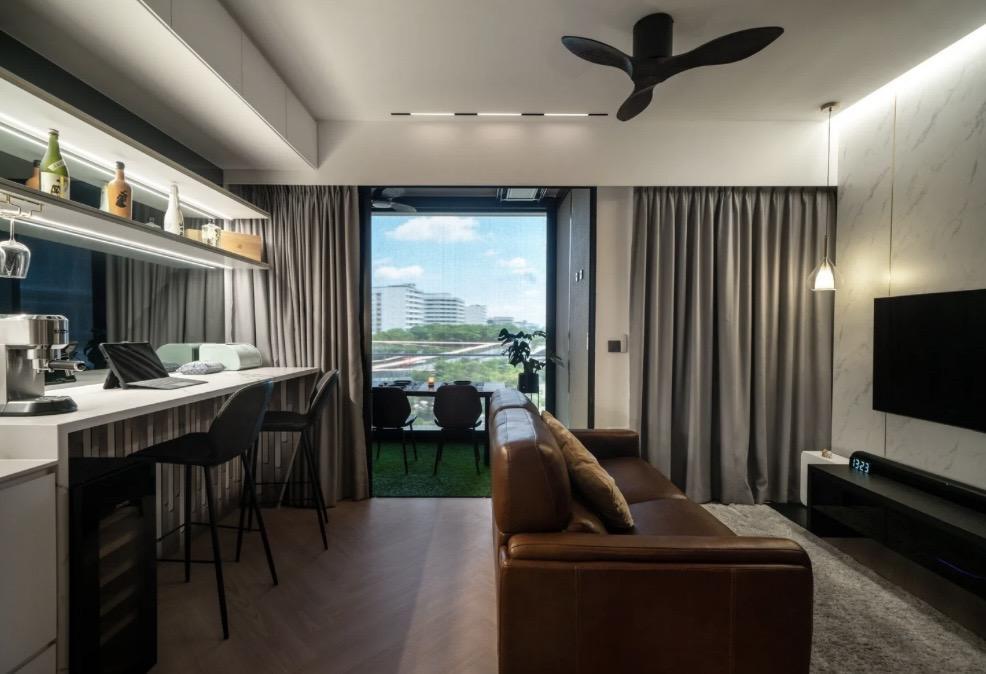
1. Designing for How People Actually Live
One of the biggest mistakes homeowners make is designing a home based purely on aesthetics. Aesthetics are beautiful, but a space can look impressive on handover day and still feel inconvenient a few months later. In Singapore, home layouts often matter more than finishes. How you move from room to room, where clutter naturally builds up, and how different spaces interact all affect daily comfort. Open concept layouts are popular, but without proper planning, they can feel chaotic rather than spacious. Experienced designers often rely on subtle zoning techniques instead of physical partitions. Changes in flooring, ceiling height, lighting direction, or furniture placement help define areas without making the home feel boxed in. These details are easy to overlook but make a noticeable difference over time.
2. Space Planning Is the Foundation of Good Design
Space planning is a key foundation, especially in HDB interior design. It is the backbone of a good interior. The storage, the circulation paths, and the furniture proportions need to be resolved early, before colours or materials are even discussed. Well-planned homes feel very welcoming and interesting. The walkways should be clear, ensure furniture doesn’t obstruct movement, and every storage item is placed where it’s actually needed. Poor space planning, on the other hand, can lead to awkward layouts that no amount of styling can fix. This is why some homes feel larger than they are, while others feel cramped despite similar floor areas.
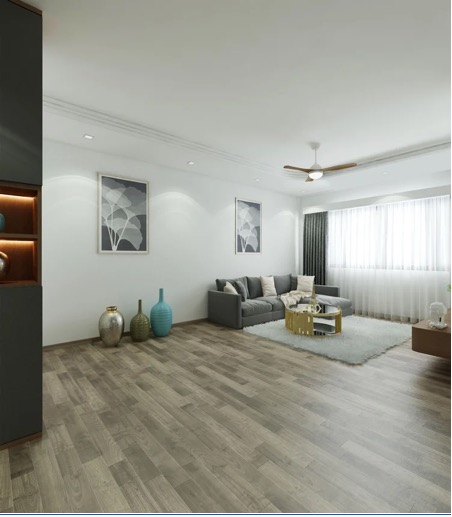
3. Materials That Suit Singapore’s Climate
Considering Singapore’s humidity and heat, material choices play a significant role in how well an interior ages. It is essential for homeowners to increasingly prioritise durability, moisture resistance, and ease of maintenance over purely visual finishing. Engineered wood flooring, quartz countertops, laminates, and high-quality hardware are now standard in modern homes. These materials hold up better over time and require less upkeep and maintenance, which matters for busy households. At the same time, there’s a growing appreciation for natural textures. Wood grains, stone-inspired finishes, fabric panels, and matte surfaces help soften contemporary interiors. When used thoughtfully, they add warmth without making spaces feel heavy or dated.
4. Lighting Shapes How a Home Feels
Lighting is one of the most underestimated elements in residential interior design. Yet it has a powerful influence on a home’s overall mood, comfort, and even how spacious it feels. Layered lighting is now common in modern interior design in Singapore. Generally, lighting provides overall brightness. Then there is task lighting, which supports daily activities, while accent lighting adds depth and atmosphere. Cove lighting, concealed LED strips, and wall lights are commonly used to create a softer, more relaxed environment. Natural light is just as important. Designers often rework layouts to improve daylight flow, using glass partitions or lighter colour palettes to reflect light deeper into the home. A well-lit space feels more open, calm, and welcoming regardless of its size.
5. Storage That Works Without Being Obvious
Storage is often where you can tell a good interior design. It proves the value of a comfortable home. In many Singapore homes, clutter isn’t a lifestyle problem; it’s a space-constraint problem. Instead of relying on just fancy furniture, designers now integrate storage into the structure of the furniture around their homes. Built-in wardrobes, platform beds with hidden compartments, full-height cabinets, and customised carpentry help keep spaces organised without visual noise. The best storage solutions are subtle. They don’t dominate the space or draw attention to themselves. Instead, they blend seamlessly into walls, niches, and corners, allowing the home to feel calm and uncluttered.
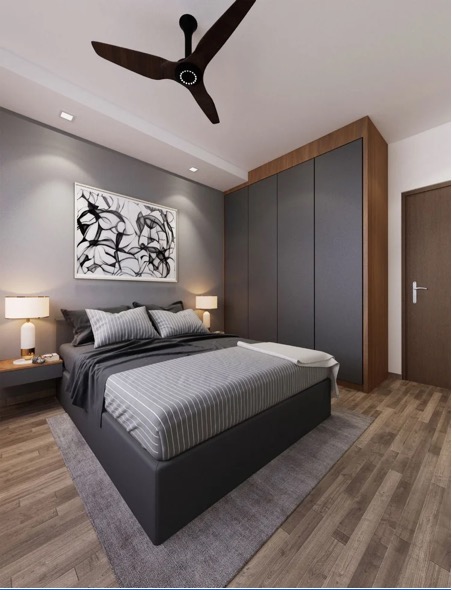
6. Personalisation Without Overdesign
A well-designed home should feel personal, it should feel exciting, and always welcoming. More homeowners are moving away from rigid themes and instead focusing on designs that reflect how they live. This doesn’t mean filling up a space with decorative items. Often, personalisation comes through layout decisions, material choices, or small custom details that support daily routines. A slightly wider kitchen counter, a niche for frequently used items, or a flexible workspace can make a home feel thoughtfully designed. Looking at real interior design inspiration rather than styled renders helps set realistic expectations and gives insight into how design ideas translate into everyday living spaces.
7. Always Design With the Future in Mind
Good interior design considers how needs may change over time. Families will grow, work patterns will shift, and lifestyles will definitely evolve. Homes designed with flexibility tend to age better and require fewer renovations later. Use neutral base palettes, adaptable layouts, and modular storage. These allow spaces to evolve without major overhauls. This approach is especially valuable for homeowners planning to stay long-term. Future-ready design isn’t about predicting trends; it’s about creating a framework that can adapt quietly over time.
What Truly Makes an Interior Feel “Complete”
A successful interior isn’t defined by bold features or expensive finishes. It’s characterized by how space supports daily life. When circulation is smooth, storage is sufficient, lighting is comfortable, and materials age well, a home simply feels right. In Singapore, where homes need to work harder due to space and climate constraints, thoughtful interior design turns limitations into strengths. Even modest homes can now feel spacious, calm, and intentional when design decisions are made carefully.
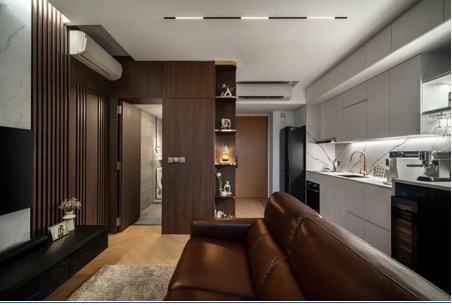
Final Thoughts
Interior design is not about filling a space or just decluttering it. A good interior design is about shaping how people live within it and giving homeowners a meaningful experience. With good planning, sensible material choices, and a focus on real-life needs, interior design becomes less about trends and more about creating homes that remain comfortable, functional, and personal for years to come.
FAQs
1. What are the most important interior design considerations for Singapore homes in 2026?
For Singapore homes the considerations include smart space planning, climate-appropriate materials, functional storage, good lighting design, and layouts that support daily routines of homeowners rather than short-term trends.
2. Why is space planning more important than aesthetics in Singapore interior design?
Because most Singapore homes have limited space, poor layouts can make even well-styled interiors feel cramped. Effective space planning improves movement, storage efficiency, and long-term comfort, which aesthetics alone cannot fix.
3. What materials work best for Singapore’s hot and humid climate?
For materials go for durable, moisture-resistant materials such as engineered wood, laminates, quartz surfaces, and high-quality hardware that perform better in Singapore’s climate and require less maintenance over time.
4. How can lighting improve the feel of a small home?
Layered lighting combining general, task, and accent lighting enhances comfort, improves functionality, and makes spaces feel more open. Maximising natural light also helps small homes feel brighter and more welcoming.
5. How can homeowners personalise their interiors without overdesigning?
To personalise the interior without over designing ensures you use thoughtful layout choices, subtle custom details, and functional features that support daily habits, rather than heavy themes or excessive decoration that can feel dated quickly.