Singapore homes have a charm—and a set of challenges—that you don’t see anywhere else. HDB flats are compact, condos can feel impersonal, and even landed properties sometimes come with awkward corners or long corridors that go unused. Add our relentless heat and humidity into the mix, and it’s easy to see why so many renovations fall short of expectations.
A good renovation is not about following trends. It’s about making your home work for you, improving comfort, functionality, and style all at once. Every choice, from lighting to storage to materials, should feel intentional. Done well, a renovation doesn’t just change the look of your home—it changes how you live in it.
Understanding Your Space
Before starting any work, take the time to really understand your home. Measure rooms, make rough layouts, and note any awkward corners or dark spots. Knowing your space—and its limitations—helps you plan smartly and avoid expensive mistakes later.
HDB flats demand creativity. Every inch counts, so furniture needs to do double duty, and layouts must flow. Condos, while more spacious, can feel sterile without personal touches. A textured wall, some well-placed shelves, or a carefully chosen rug can make a condo feel warm and lived-in.
Even landed homes, despite the space, require careful planning. Staircases, long corridors, and underused outdoor areas need to be thoughtfully arranged. A small misaligned cabinet or a poorly sized bench can throw off the flow. Planning carefully from the start saves headaches later.
Smart Storage Solutions
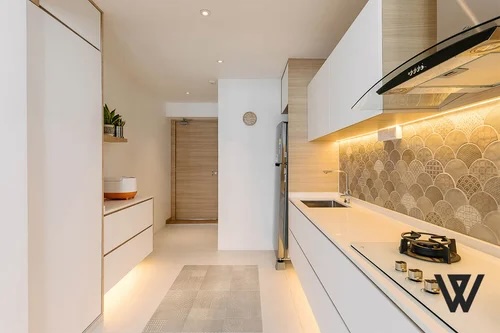
Storage is the backbone of a well-functioning home. Built-in cabinets, multipurpose furniture, and vertical solutions can keep a space uncluttered without feeling cramped. Every drawer, shelf, or compartment should have a purpose.
In my first HDB renovation, I added under-bed drawers and slim hallway cabinets. It seems minor, but suddenly the space felt much more open. Shoes, linens, and seasonal items were tucked away, and the living room stayed neat. Pull-out pantries, concealed trash bins, and spice racks in the kitchen made cooking easier and more enjoyable.
For landed homes, under-stair areas are perfect for storage. Sliding drawers, custom cabinets, or even a small wine rack can transform wasted space into something functional. Balconies can also double as storage with benches or vertical racks for plants and tools. The key is that storage should enhance the space rather than dominate it.
Maximizing Natural Light and Airflow
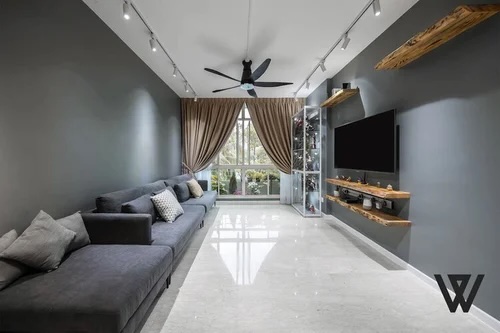
Light and airflow affect how a home feels more than any paint color or furniture choice. Keep windows clear, use mirrors to reflect light, and pick surfaces that naturally brighten the room. Cross-ventilation is crucial in Singapore, and combining it with ceiling fans keeps rooms comfortable without overusing air-conditioning.
Indoor plants are more than decoration—they clean the air, soften the space, and add calm. For example, if you set up a vertical garden on your condo balcony, it may going to be your favorite spot for morning coffee. The plants wil not only make the area more inviting but also subtly improved airflow.
Lighting is another powerful tool. Layer ambient lighting, task lighting, and accent lights to create depth. Under-cabinet LEDs, subtle strips in cabinets, and adjustable spotlights can make rooms feel more dynamic and intentional without being harsh or clinical.
Modern, Practical Kitchen and Bathroom Upgrades
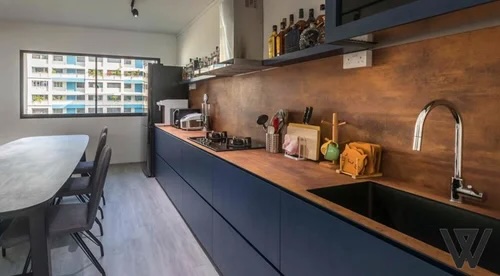
Kitchens and bathrooms see the most use, so they need to be both functional and stylish. Modular cabinets, pull-out drawers, and integrated appliances keep counters clutter-free and make cooking and cleaning smoother.
Bathrooms, particularly small ones, require careful planning. Frameless walk-in showers maintain openness, floating vanities free up floor space, and smart tile choices can make a room feel larger. Proper ventilation is essential—without it, mold and damp surfaces become a constant headache.
I learned the importance of smart bathroom storage when I first installed floating shelves to hold towels and toiletries. What seemed like a small addition suddenly made the entire bathroom feel more organized and usable.
Incorporating Smart Home Features
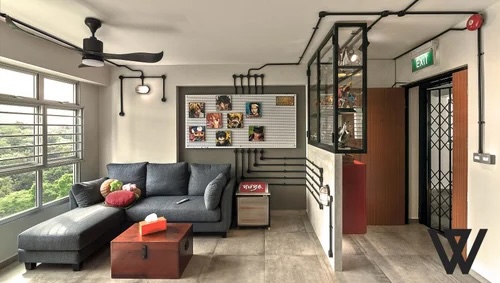
Smart home tech should make life easier, not more complicated. Lighting, climate control, and security systems need to work quietly in the background.
Nothing is as surprisingly satisfying as installing a smart thermostat and automatic lights in your living room.Then coming home to a cool, well-lit apartment without touching a switch. But reliability matters more than flashy features. Technology should support daily life, not demand constant attention.
Cooling Solutions for Singapore’s Heat
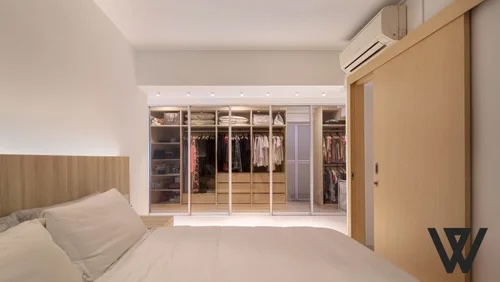
Singapore’s climate is challenging. Air-conditioning is a must, but pairing it with fans, insulated walls, and hybrid fan-coil units can reduce energy costs while maintaining comfort.
Brands like Daikin and Mitsubishi Electric provide reliable systems that qualify for Green Mark incentives. Reflective window films, insulated blinds, and ventilated roof spaces also make a noticeable difference. Effective cooling should be effortless, consistent, and energy-conscious.
Sustainable Materials That Last
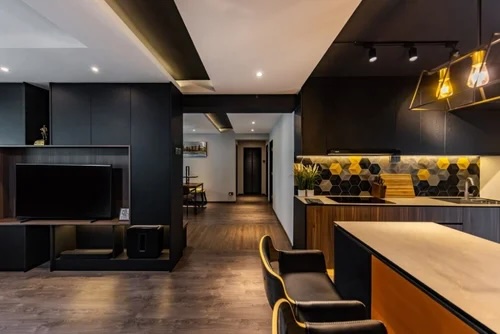
Durable, sustainable materials are essential in tropical climates. Recycled composites resist mold better than wood, bamboo flooring is both warm and long-lasting, and low-VOC paints help maintain indoor air quality. Permeable balcony tiles allow proper drainage and reduce water damage over time.
These choices aren’t just about sustainability—they’re practical. Cheap materials may save money upfront but will cost more in repairs and frustration down the line. Investing in quality ensures that your home performs well for years.
Planning Your Renovation Budget
Budgeting isn’t just numbers—it’s about prioritization. Start with essentials: storage, lighting, airflow, cooling, and durable materials. Luxury finishes and decorative touches come after the fundamentals are perfect.
Check contractors carefully, get multiple quotes, and clarify timelines and warranties. Some tasks—painting or furniture assembly—can be DIY. Plumbing, electrical, or structural work should always be handled by professionals.
I once tried to install a small cabinet myself and ran into plumbing issues in an older HDB flat. Calling a professional saved me time, money, and stress. Knowing when to DIY and when to hire an expert for design and renovation ideas is critical.
Conclusion
A home should feel right the moment you step inside. Understanding your space, planning storage thoughtfully, maximizing light and airflow, upgrading kitchens and bathrooms, integrating smart technology, managing cooling, choosing durable materials, and budgeting carefully all contribute to a home that works beautifully.
Mistakes will happen, but the goal is a space that functions well, looks intentional, and feels genuinely satisfying.
In 2026, your Singapore home can be exactly that: every corner purposeful, every choice deliberate, and every detail thoughtfully executed. For those of us who refuse to settle for less, the result is worth every ounce of effort.