
Understanding when to begin breast cancer screening can feel overwhelming. With various recommendations depending on your age, personal risk factors, and family background, knowing when it is time for you to have your screening can be challenging. Nevertheless, knowing when it is necessary to have your screening is the first step to taking responsibility for your health.
Breast cancer is one of the most widespread cancers diagnosed among women around the world. Even though not all cases of breast cancer can be avoided, the screenings that are conducted from time to time will help you identify abnormalities in your breasts before any symptoms appear.
This guide explains what breast cancer screening is, when it is recommended, what types of screenings exist, and what happens during the whole process.
What Is Breast Cancer Screening?
Breast cancer screening is defined as any type of examination carried out on a person in order to find out any signs of breast cancer before any symptoms occur. Unlike diagnostic testing, which involves finding out about a lump or symptom already present, screening is meant for people without any breast problem currently.
The key purpose of screening is to find out any anomalies at an early stage where a test or treatment can be administered. The fact that not all anomalies point to cancer does not mean that early screening can prevent any problems.
It will enable the doctor to carry out any further tests if necessary, for many women and may be recommended based on factors such as age, family history, and individual risk level.
Who Should Consider Breast Cancer Screening?
When is the right time to consider starting screening for breast cancer? There is no one-size-fits-all answer, and most advice is tailored according to personal risk factors and not universal guidelines.
It might be a good idea for you to discuss breast cancer screening with your doctor if:
- You fall into the age category recommended for screening.
- You have a history of breast or ovarian cancer in your family.
- You had particular breast diseases in the past that put you at risk.
- You have a genetic predisposition to developing breast cancer.
- You have some worries regarding your breast health, even in the absence of any symptoms.
Some women might need a customized screening programme, depending on their level of risk factors, while others with average risks can use standard screening recommendations.
Common Breast Cancer Screening Methods
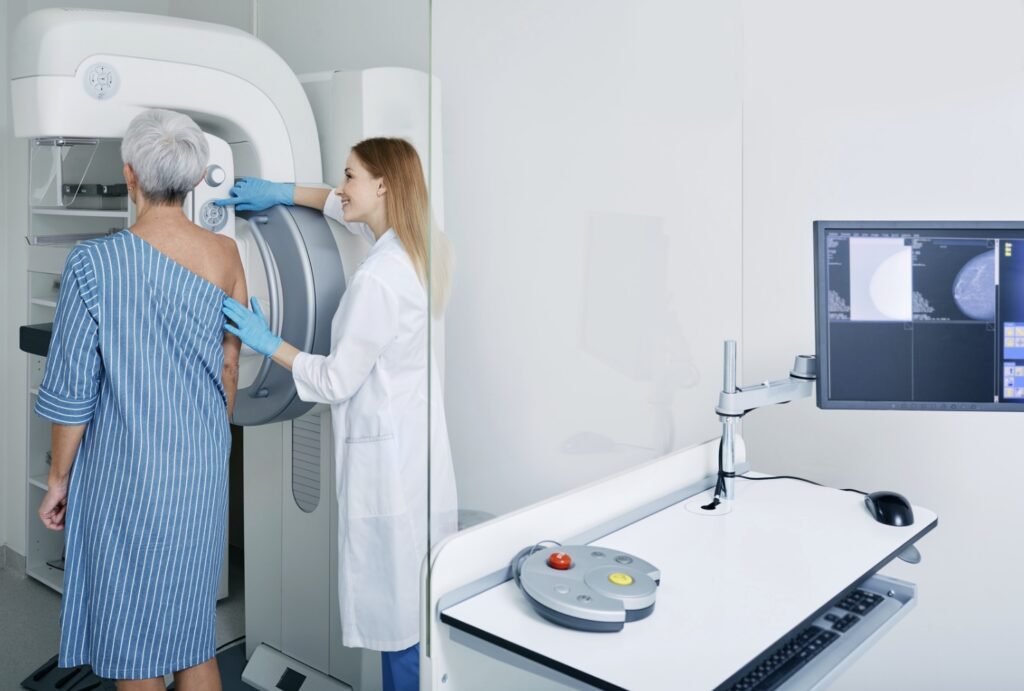
Based on various factors like age, breast density, medical history, and other aspects of your personal health, healthcare professionals may suggest you take up various kinds of screening tests. Some of the common screening procedures include:
Mammography
A mammogram, a type of breast cancer screening, is the most commonly used method of breast cancer screening. It works on the principle of using low-dose X-rays to detect any changes in breast tissue that cannot be detected through physical examination.
Breast Ultrasound
The ultrasound uses sound waves to produce images of breast tissues and is commonly performed in addition to mammograms in particular cases such as dense breast tissue and further assessment.
Breast MRI
Magnetic Resonance Imaging (MRI) can be ordered for those people who have a greater likelihood of having breast cancer. This is an imaging test that gives a detailed picture and serves more as a supplement to mammograms than a replacement.
Clinical Breast Examination
The clinical breast exam can be conducted by a medical practitioner, who examines your breasts for lumps or abnormalities. This test does not serve as a substitute for imaging tests, but may be included in a comprehensive breast assessment program.
It all depends on your own situation, which is why it is useful to consult a medical professional about your own risk factors before starting a screening program.
What to Expect During Your Breast Screening Appointment
Understanding how breast screenings take place can go a long way towards lowering anxiety levels. Prior to the test, you may be required to give information regarding your personal medical history, previous examinations for breast problems, family history of breast cancer and any complaints that you may currently have.
Wearing comfortable clothing and ensuring there are no lotions or deodorants applied on the day of some imaging tests may also be advised. In regards to the exam, the process of imaging will depend on which kind of screening you are having. Most exams will last a relatively short time, but this will depend on the particular method of imaging.
After the imaging process has been completed, your images will be evaluated by professional radiologists. The findings will then be explained by your doctor, who will tell you whether or not you require a further evaluation or assessment
Why Early Detection Matters
Sometimes, breast cancer might not present any symptoms during its initial phases. Therefore, screening is an integral part of preventive healthcare, as identification of the changes in advance gives an opportunity to assess the situation and manage it appropriately if needed.
One needs to keep in mind that an abnormal result on screening does not necessarily indicate the presence of cancer, as sometimes, more testing is required just to obtain more information. Similarly, it does not mean that one should stop checking for signs and be aware of breast health if the screening was normal.
Therefore, knowledge of personal risk factors and following recommended screening schedules are crucial for making the right decisions regarding breast health.
Choosing the Right Breast Cancer Screening Provider

Choosing a provider for breast cancer screenings requires more than just making an appointment that is available at the earliest time possible. The quality of imaging tests, the expertise of the medical professionals and even the patient experience during the process could make all the difference.
Here are some of the factors to be considered when choosing a provider:
- Experienced Medical Professionals: The best provider will have qualified and experienced doctors and other health practitioners. Who are specialized in breast imaging and screenings.
- Modern Imaging Technology: The availability of advanced imaging technology increases the chances of getting high-quality pictures which in turn helps with the interpretations.
- Comprehensive Screening Services: The service provider who offers several imaging options for breasts, including mammography, ultrasound, and MRI when required, will be able to offer more personalized services.
- Patient Comfort and Support: Breast screening can feel unfamiliar to many women because it is not familiar to them. Creating a more welcoming environment with proper communication can be helpful.
- Clear Reporting and Follow-Up: Being aware of the results of your breast screening is very important. Therefore, you should opt for the service provider who offers timely reporting on the results.
Considering these factors carefully will assist you in choosing the best screening provider. This will meet your healthcare needs while giving you confidence throughout the screening journey.
Final Thoughts
Breast cancer screening is one of the critical measures in breast health maintenance. Getting familiar with the age when you should start getting screened, being aware of various screening methods, and finding a good healthcare practitioner will ensure that your decision-making process is more confident. As each person may have their specific risk factors and require a different approach to screening, a discussion of your personal case with a healthcare provider will enable you to understand which screening schedule would be the best for you. Read this guide on breast cancer screening for more information.