I used to think I was being pretty responsible with my wine.
Not in a “collector” way, just… doing the obvious stuff. Kept it out of sunlight, didn’t stack bottles like an idiot, tried to keep the room cool. At one point I even bought a wine fridge (which, for the record, was louder than I expected and never quite held the temperature it claimed).
Anyway, I wasn’t careless. That’s kind of the point.
And still, I got caught off guard later.
It didn’t happen while drinking the wine. Everything tasted fine, as far as I could tell. The problem showed up when I tried to sell a few bottles I’d been holding onto, some Bordeaux I bought around 2018, nothing crazy but not cheap either.
That’s when I realised I didn’t actually understand what I was doing.
The Part Everyone (Including Me) Oversimplifies
Most advice around wine storage is… very neat. Almost too neat.
“Keep it at 12–14°C.”
“Avoid light.”
“Store it horizontally.”
Great. Sounds simple.
But it’s also the kind of advice that makes you feel like you’ve solved the problem when you haven’t really.
What nobody really spells out is everything around the wine that starts to matter later:
- Whether anyone else trusts how you stored it
- Whether you can prove anything
- What happens tax-wise if money changes hands
At the time, I wasn’t thinking about any of that. I was just thinking, “don’t let it get too warm.”
The First Time This Actually Bit Me
So I tried to sell a case. Through a broker, nothing fancy.
The first question I got wasn’t about the wine itself. Not the vintage, not the producer.
It was: “Where has it been stored?”
I said, “at home,” which already didn’t sound great once I heard myself say it out loud.
Then: “Do you have records?”
No. Of course I didn’t. What was I supposed to have, a spreadsheet of room temperatures going back five years?
There was this pause. Not long, but enough to feel.
And from that point on, the conversation just… shifted. Less confidence. More hesitation. The eventual offer came in lower than I expected. Not disastrously low, but enough that it annoyed me.
That was the moment I realised this wasn’t just about keeping wine “in good condition.” It was about whether anyone believes it’s in good condition.
Bonded Wine Storage (Which I Originally Dismissed)
I remember hearing about bonded storage before all this and mentally filing it under “stuff for serious collectors.”
It sounded bureaucratic. Warehouses, customs, paperwork… not really my thing.
But stripped down, it’s not that complicated:
Your wine sits in a government-approved warehouse.
Everything is tracked properly, ownership, movement, and storage conditions.
That’s it.
The tracking part is the bit I didn’t appreciate. At all.
Because once you don’t have that, you can’t really fake it later. You either have a clean history or you don’t.
The Bonded Wine Storage Temperature Thing I Convinced Myself Was Fine
I thought my setup was “basically fine.”
And to be fair, it wasn’t terrible. But it also wasn’t stable in the way I convinced myself it was.
In winter, the room was probably around 12°C. Maybe a bit lower at times.
In summer… yeah, it crept up. I remember checking once during a heatwave and it was sitting at 17 or 18°C.
At the time I shrugged it off. It didn’t feel dramatic.
But over a few years? Those swings add up. Not in a way you notice day-to-day, but in a way that becomes very real when someone else starts asking questions about storage.
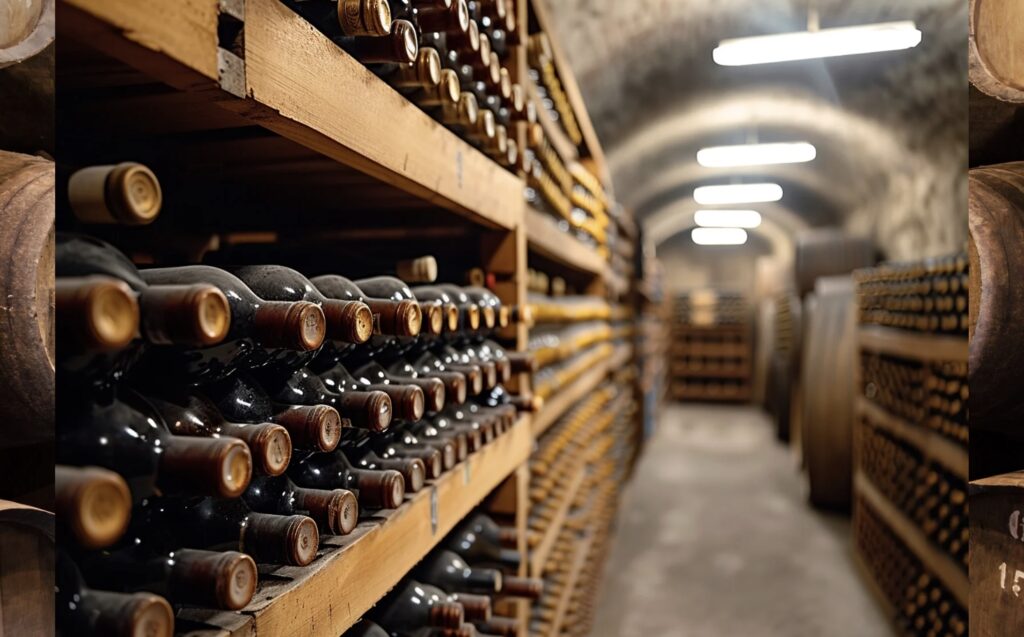
Bonded warehouses are just… different. Kind of obsessive, honestly:
- Temperature barely moves
- Humidity is controlled properly
- No light, no vibration, no random fluctuations
It sounds overkill until you compare it to “a room in your house that’s usually cool.”
Those are not the same thing. I learned that a bit late.
The Tax Aspect of Bonded Wine Storage
This part I basically didn’t think about at all, which in hindsight is a bit embarrassing.
If your wine is in bond, you haven’t paid duty or GST yet. You only deal with that if you take it out to drink it.
At first I thought, “Okay, fine, whatever.”
But then:
- Those taxes can actually be a decent chunk of the value
- And if you sell the wine while it’s still in bond, you don’t pay them, the buyer does
That’s… not a small detail. Especially once you’re dealing with multiple bottles or anything moderately expensive.
It’s one of those things that seems boring until it suddenly isn’t.
The Mistake That’s Annoying to Fix
Another thing I did (would not recommend): I split my storage.
Some bottles are at home, some elsewhere later on.
In my head, that sounded manageable. In reality, it just got messy:
- I lost track of what was where
- No consistent documentation
- Nothing clean I could show if I needed to
Wine collecting already has enough friction without you making it worse for yourself.
When This Actually Starts to Matter
If you’re buying bottles to drink over the next year or two, honestly, don’t overthink it. Keep them reasonably well and enjoy them.
That’s not where this becomes a problem.
It starts to matter when you:
- Hold wine for longer than you originally planned (which happens more than you think)
- Spend a bit more per bottle
- Or even casually think, “maybe I’ll sell this later”
That’s the trap, really. You don’t plan to care about resale… until suddenly you do.
And by then, some of the decisions are already locked in.
The Slightly Uncomfortable Trade-Off
I didn’t love the idea of storing wine somewhere I couldn’t see it.
Still don’t, if I’m honest.
There’s something reassuring about having it in your house, within reach even if you’re not touching it.
But at some point you’re choosing between:
- Convenience and control (keeping it at home)
- Or proper storage, documentation, and flexibility later
You don’t really get both. At least not fully.
I think I tried to sit in the middle for too long, and that’s what caused most of the friction.
Where I Landed
I used to think bonded storage was optional, maybe even a bit overhyped.
Now I think it just depends on what you’re doing.
If it’s purely about drinking, fine, keep it simple.
If there’s any part of you that cares about value, resale, or just not making things harder later, well-maintained bonded wine storage in Singapore is your answer.
I didn’t realise that until I was already dealing with the consequences, which is usually how these things go.
FAQs
Is bonded wine storage only for expensive wines?
Not exclusively, but it makes the most sense for higher-value bottles where tax savings and provenance significantly affect resale.
How secure are bonded warehouses?
They are typically highly secure, with controlled access, surveillance, and strict inventory management systems.
Does bonded storage affect insurance costs?
Often in a positive way. Professional facilities usually offer better coverage options than home storage.
Can I sell wine directly from bonded storage?
Yes, and many collectors prefer this route because it simplifies the transaction and preserves tax advantages.
Are all bonded warehouses the same?
Not quite. Standards can vary, especially across countries, so due diligence is important.
Does bonded storage guarantee wine quality?
It significantly improves preservation conditions, but the initial quality of the wine still matters.